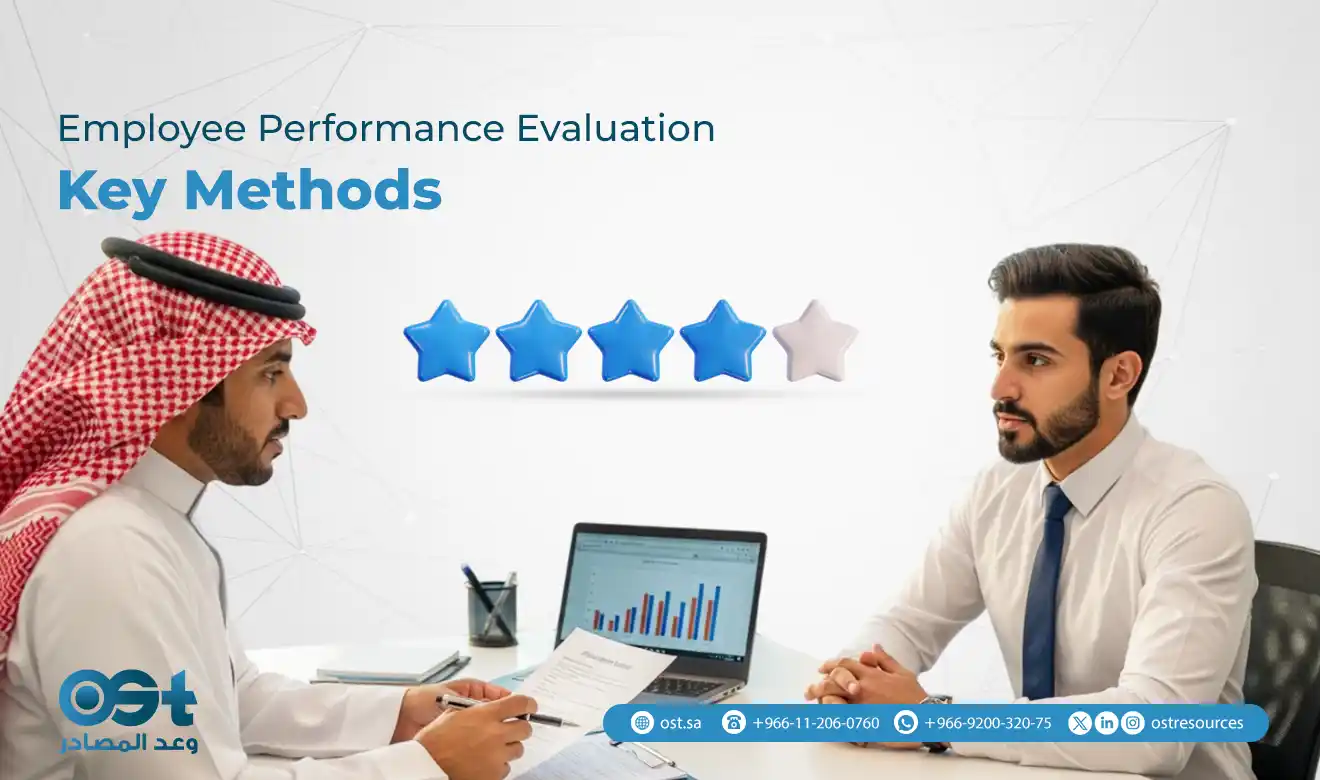
Employee Performance Evaluation is one of the most important tools companies use to measure productivity, improve efficiency, and support employee growth. It assists the managers in finding strong points, areas to work on, and aligning individual objectives with those of the organization. The structured evaluation process takes place in a modern competitive workplace and provides the necessary fair feedback, enhanced engagement, and ongoing performance growth among groups.
What is the importance of Employee Performance Evaluation?
The importance of Employee Performance Evaluation lies in how it shapes productivity, growth, and engagement across an organization. It is not merely an HR ritual but rather a strategic endeavor, and it assists the business to identify talent, enhance performance and also the alignment of the employee effort towards the goals of the company. The following are the main reasons why performance evaluation is imperative:
- Provides constructive feedback for continuous improvement
- Helps set clear goals and performance expectations
- Builds accountability and ownership among employees
- Identifies individual strengths to optimize team performance
- Addresses weaknesses through targeted development plans
- Recognizes and rewards high-performing employees
- Enhances communication between managers and staff
- Supports succession planning and leadership development
- Ensures fairness, transparency, and compliance in HR decisions
What are the main types of performance evaluation methods?
Employee performance evaluation can take many forms depending on the company’s structure, goals, and workforce size. The key types that exist in contemporary organizations include:
- Self-assessment
- Team assessment
- Graphic rating scale
- 360-degree feedback
- Forced choice method
- Skill evaluation
- Goals and results method
- Leader assessment
- Negotiated appraisal
- Peer assessment
- Human resource accounting method
How can managers provide constructive feedback effectively?
Constructive feedback is among the most significant skills a manager should have. It also makes the employees know what they are doing right and where to make improvements. In order to make feedback effective and well-received, the following are some of the main practices that should be observed by managers:
- Be specific and objective
- Balance positives and areas for improvement
- Be timely
- Use “I” statements
- Offer solutions and guidance
- Listen and engage
- Show empathy and sincerity
- Follow up
What are the key metrics used to evaluate performance?
Employee performance evaluation relies on clear and measurable metrics that help managers assess productivity and identify improvement areas. Here are the main categories of key performance metrics used in most organizations:
- Quality
- Quantity
- Efficiency
- Productivity
- Profitability
- Return on Investment (ROI)
- Customer satisfaction
- Sales performance
- Project completion rate
- Employee engagement
How does Employee Performance Evaluation improve productivity?
Employee performance evaluation plays a vital role in enhancing overall productivity and driving organizational success. The following are the main ways in which it helps:
- Identifies strengths and development areas
- Encourages continuous learning and improvement
- Aligns individual goals with company objectives
- Increases employee motivation and engagement
- Promotes accountability and responsibility
- Improves communication between managers and employees
- Supports fair recognition and rewards
- Helps optimize training and resource allocation
- Builds a culture of transparency and growth
How can companies ensure fairness in performance reviews?
Ensuring fairness in employee performance evaluation is essential to maintaining trust, motivation, and transparency within the workplace. Employees will tend to remain focused and work better when they feel that the process is objective and similar. The following are viable methods through which companies can ensure their appraisals are balanced:
- Set clear and measurable performance goals for every employee
- Use standardized evaluation criteria to minimize bias
- Provide regular feedback instead of only annual reviews
- Implement 360-degree feedback for balanced input
- Conduct manager training on objective evaluation methods
- Rely on data-driven performance metrics over opinions
- Involve employees in self-assessment for transparency
- Hold calibration sessions to align ratings across departments
- Maintain open communication about review outcomes
- Use performance management software for consistent tracking
What role does technology play in modern performance evaluation systems?
Technology has completely transformed employee performance evaluation, making it more accurate, transparent, and data-driven. Using the best digital tools, companies can now easily monitor progress in real-time, minimize bias, and offer constant feedback that allows employees to develop further. The following are the primary ways technology is transforming performance evaluation in the modern world:
- Use of AI and machine learning to analyze employee data and identify performance trends
- Automated feedback systems that deliver instant, unbiased evaluations
- Cloud-based performance platforms for real-time goal tracking and reporting
- Data analytics tools to measure productivity and engagement more effectively
- 360-degree feedback software that gathers input from managers, peers, and clients
- Mobile apps that allow employees to access reviews and updates anywhere
- Gamification features that boost motivation and participation
- Predictive analytics to forecast performance outcomes and training needs
- Integration with HR systems for a unified view of employee development
- Secure digital storage ensuring confidentiality and easy record access
Employee performance evaluation through the OST company
Employee performance evaluation is one of the most important pillars of organizational success. In OST Company, the process is more than regular annual reviews, but rather a continuous, data-driven process, which is aimed at fairness, transparency, and quantifiable outcomes. With the help of contemporary technology and intelligent HR-resources, OST assures the fact that each individual is appraised on the basis of definite performance metrics and feedback in real-time, which help individuals and teams develop successfully.
| Aspect | Description |
| Evaluation Approach | OST uses a data-driven system to assess employee performance objectively and fairly. |
| Technology Integration | Advanced HR software tracks goals, monitors progress, and provides real-time analytics. |
| Feedback System | Continuous feedback tools enable managers and employees to share insights instantly. |
| Performance Metrics | Evaluations are based on measurable KPIs such as productivity, teamwork, and goal achievement. |
| Employee Development | OST identifies skill gaps and recommends targeted training and development programs. |
| Transparency | The system ensures clear communication of expectations and evaluation results. |
| Automation | Automated reports and dashboards reduce human bias and improve accuracy. |
| Engagement Tools | Recognition and rewards features motivate employees and boost overall morale. |
| Customization | OST tailors the evaluation process to each department’s goals and business objectives. |
| Outcome | A more efficient, motivated, and high-performing workforce aligned with company vision. |
How does the OST company help organizations implement effective performance evaluation systems?
OST helps companies build fair and effective performance evaluation systems using smart technology and real-time data. Our tools simplify goal tracking, feedback, and reviews to boost productivity and employee growth.
Contact OST today to improve your performance management process.