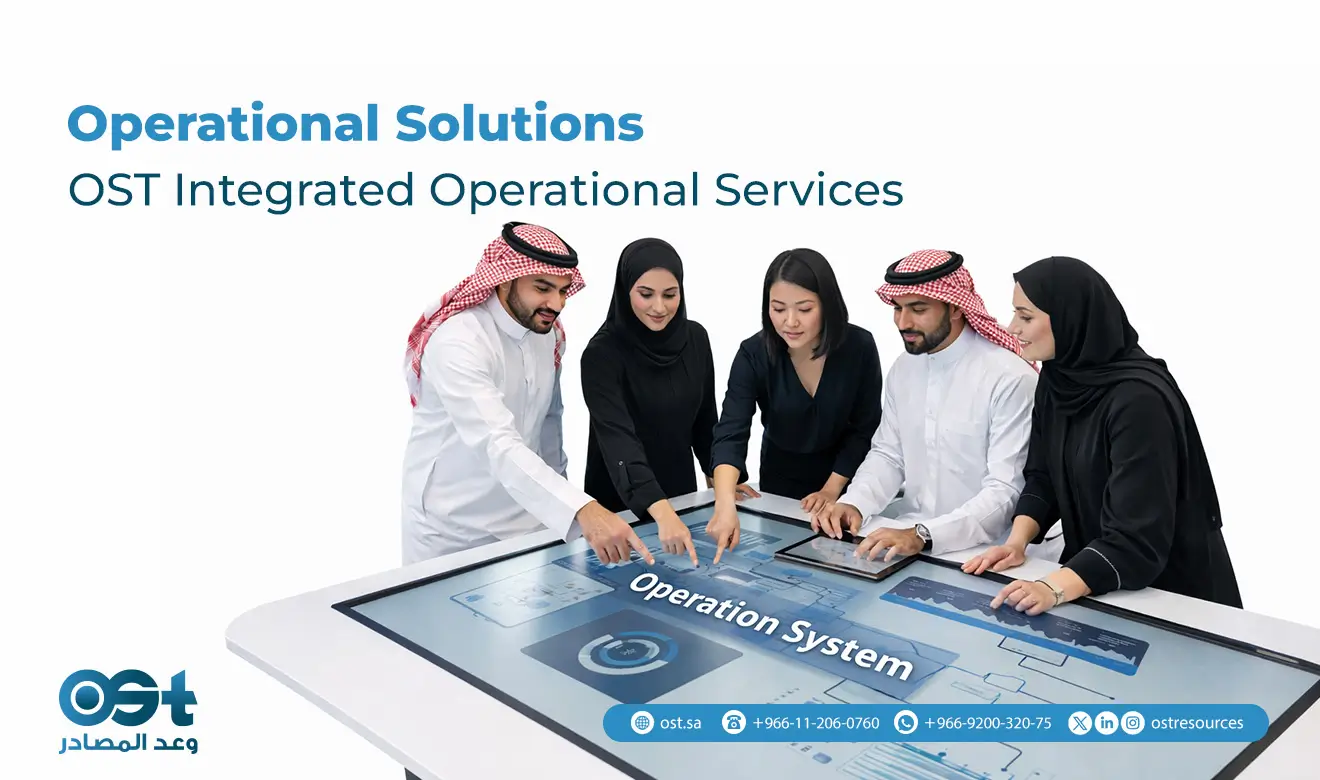
Operational solutions refer to structured systems, processes, and technologies designed to improve how organizations run their day-to-day activities. Cost pressure, the digital transformation, and the fast-evolving markets are characteristics of the age in which businesses can no longer afford fragmented or reactive operations. Instead, they need integrated operational solutions that ensure efficiency, consistency, and scalability.
Modern operational solutions focus on aligning people, processes, and technology to deliver measurable performance improvements. This is because companies that invest in innovative models of their operation are better placed to adjust to change, minimize wastage, and ensure sustainable growth.
What Are Operational Solutions and Why Businesses Need Them
Operational solutions are comprehensive frameworks that optimize core business functions such as production, supply chain, logistics, finance, and service delivery. They do not operate in a vacuum and look at the operations of the entire organization.
Businesses need operational solutions to:
- Increase productivity and automate operations.
- Minimise operational bottlenecks and downtimes.
- Improve inter-departmental visibility.
- Promote expansion without equal increases in costs.
- Ensure quality and compliance.
The Role of Operational Solutions in Reducing Costs
Cost reduction is one of the primary drivers behind adopting operational solutions. Direct and indirect costs are also reduced to a great extent by simplifying the working processes and eliminating redundancies in the business.
Operational solutions reduce costs through:
- Digitalization and process automation.
- Better planning and use of resources.
- Fewer reworks and error rates.
- Efficient inventory and supply chain.
Companies that have developed functional models have always had better cost management and are able to meet the quality of services.
Aligning Operations with Business Strategy
Operational solutions play a critical role in translating business strategy into execution. Even clear strategies cannot produce results whenever operations and strategies do not match.
Strategic alignment through operational solutions involves:
- The connection of operational KPIs to strategic objectives.
- Provision of cross-functional coordination.
- Focusing on initiatives according to the business impact.
- Facilitating leadership and governance.
Cohesive operations can guarantee that the daily operations are in line with the long-term organizational goals.
Challenges That Affect Operational Performance
Despite their critical importance, implementing effective operational solutions is often a complex and challenging process. Many organizations struggle not because of a lack of technology, but due to structural and cultural barriers that limit overall performance. Rigid organizational hierarchies, unclear roles and responsibilities, and siloed departments frequently slow decision-making and reduce operational efficiency. When processes are fragmented across teams, even the most advanced operational tools fail to deliver their full value.
Cultural challenges also play a major role. Resistance to change, lack of alignment between leadership and employees, and limited accountability can prevent the successful adoption of new operational strategies. In some organizations, employees view operational improvements as disruptive rather than enabling, leading to low engagement and inconsistent execution. Additionally, insufficient training and poor communication further widen the gap between strategic goals and day-to-day operations.
To overcome these challenges, organizations must address both people and processes, not just systems. Building a culture of continuous improvement, empowering cross-functional collaboration, and aligning operational initiatives with clear business objectives are essential steps toward sustainable operational excellence.
Common challenges include:
- Poor communication and siloed departments.
- Old systems and processes.
- Absence of operational information in real-time.
- Resistance to change
- Lack of skills in the operational teams.
Such issues demand effective leadership and change management and a well-organized system of operations.
Data-Driven Decision Making in Operations Management
Data-driven decision-making is a cornerstone of modern operational solutions. With the help of correct and timely data, organizations will be able to shift out of problem-solving mode and get into performance management.
The major advantages of data-driven operations are:
- Accurate forecasting and planning.
- More efficient detection of inefficiencies.
- Unbiased performance assessment.
- Better risk management
Further analytics and dashboards will also ensure managers can make quality decisions that will constantly enhance operational results.
How Integrated Operational Solutions Improve Productivity
Integrated operational solutions connect systems, teams, and processes into a unified operating model. Integration minimizes duplication of effort in the organization and improves collaboration in the organization.
The results of this are productivity improvements caused by:
- Fluent information flow within the departments.
- Best practices and standardized practices.
- Less manual intervention.
- Reduced cycle time in decision-making.
Key Industries That Rely on Advanced Operational Models
Advanced operational solutions are essential across multiple industries where efficiency, reliability, and scalability are critical.
Advanced operational solutions play a vital role across multiple industries where efficiency, reliability, and scalability are essential. As operations become more complex, these solutions help organizations achieve operational excellence, which directly impacts competitiveness and customer satisfaction.
Industry | Impact of Operational Solutions |
Production & Industrial Activities | Enhancing production efficiency and reducing operational costs |
Supply Chain & Logistics | Improving delivery speed, visibility, and risk management |
Life Sciences & Health Care | Ensuring accuracy, compliance, and high-quality patient care |
Energy & Utilities | Optimizing resource management and operational sustainability |
| Financial Services | Increasing process efficiency, security, and customer experience |
Smart Operational Solutions by OST
OST provides smart, integrated operational solutions designed to help organizations achieve operational excellence. Due to the combination of industry knowledge, tested practices, and digital solutions, OST assists businesses in changing how they conduct their operations in a manner that is sustainable.
OST’s operational solutions focus on:
- Optimization of end-to-end processes.
- Efficiency of costs and performance enhancement.
- Information-based operational governance.
- Scalable and upgradeable operating models.
Such a combined strategy guarantees quantifiable outcomes and long-term stability in the operations.