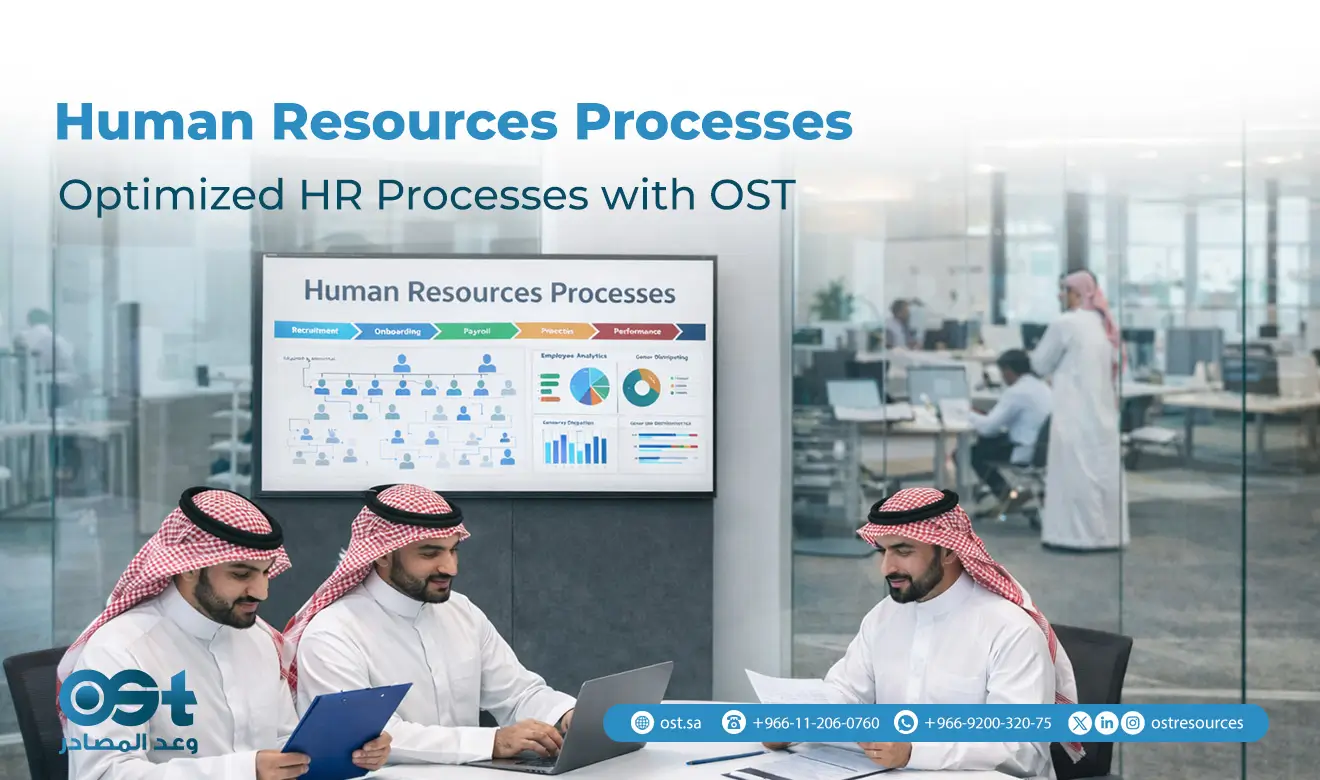
Human resources processes are the backbone of effective workforce management. By optimizing HR processes, the companies will be able to deal with recruitment, onboarding, performance management and compliance effectively. Faster HR activities result in an increase in employee satisfaction of employees, resource distribution, and performance in an organization. By the appropriate strategies and tools, companies will be able to develop a workflow that is efficient and scalable, which will balance human capital management with that of the entire business. The HR processes that are effective also eliminate operational chokepoints and allow the HR departments to concentrate on strategic projects that lead to long-term growth, thereby making the organization stronger in the changing business environment.
Understanding Core Human Resources Processes
The main HR processes are recruitment, onboarding, training and development, performance management, payroll, and compliance management. All the processes support the lifecycle of employees, making sure that there is a continuous flow in terms of hiring, developing, retaining, and offboarding the employees. Mapping out such processes enables organizations to determine the inefficiencies and apply continuous improvements. Also, the combination of HR technology platforms may streamline these fundamental processes and make it possible to oversee the data in real-time and make decisions. Firms that recognize and optimize such processes make fewer mistakes, are more productive and their employees are more engaged.
How Efficient HR Processes Improve Employee Experience
Effective HR practices decrease the delays, enhance communication, and increase transparency, which have a positive influence on employee satisfaction. Repetitive tasks are automated, approvals are simplified and HR systems are consolidated to facilitate quick and easy navigation to HR related requests by the employees. As an example, automated processing of leave and payroll is accurate and timely, and this is a way of eliminating frustration. Furthermore, well-organized feedback systems, monitoring performance, and regular use of policies enhance the trust and loyalty of employees. Companies that focus on employee experience by implementing effective HR systems enjoy reduced employee turnover and more workforce engagement.
Recruitment, Onboarding, and Performance Management Explained
Recruitment facilitates the attraction of the right talent in the organization by the organization having a clear sourcing strategy and an efficient interview process. Onboarding incorporates new employees into organizational culture, systems and processes as well as expedites productivity. Performance management follows the employee performance, establishes objectives and constantly communicates feedback. The maximization of such processes leads to the release of productive new hires within a short time, employees understanding what is required, and proactive resolution of performance problems. When these systems are in line with the organizational goals, they not only enhance personal performance but also promote the performance of the company.
Automating Human Resources Processes for Better Control
Repetitive and administrative work is handled in an efficient manner through automation within the HR process. Automation of functions like payroll, leave management, benefits administration and reporting can also be done to minimize human error. Automation ensures that HR has additional time to concentrate on strategic activities such as talent development, employee engagement and policy updates. Also, automation enables companies to monitor compliance and create analytics to make informed decisions. The use of automated HR systems will guarantee scalability, quicker response rate, and more precise data throughout the organization.
Common HR Process Gaps and How to Fix Them
- The gaps in HR processes may be the existence of inconsistent procedures, the absence of proper documentation, slow approvals, and poor communication.
- Organizations ought to standardize workflow, document workflow, and train employees to fill these gaps.
- Application of technology solutions can be used to minimize communication differences and facilitate approvals.
- KPI monitoring, employee feedback, and regular audits are used to make sure that this improvement is ongoing.
- Closing these loopholes not only makes the HR operation more efficient, but also compliant, less susceptible to errors, and instilling accountability culture in an HR service.
Aligning HR Processes with Organizational Goals
By matching the HR processes to those of the business, HR processes would ensure that the HR activities are aligned to the strategic priorities. Connecting performance management with business objectives, building the training curriculum on the development of the appropriate skills, and workforce analytics as the means to direct the staffing and budgeting processes are some of the priority strategies. The other components of alignment are incorporation of diversity and inclusion programs, employee engagement programs, and succession planning. With the ability to align the HR processes to organizational objectives, companies have the potential to use human capital as a competitive advantage to not only have satisfied employees but also attain business outcomes.
Measuring the Effectiveness of HR Operations
Some of the metrics to be used to assess HR effectiveness include turnover rates, time-to-hire, employee satisfaction levels, training completion rates, compliance cases, and improvement of performance. HR dashboards, reporting tools and analytics platforms offer actionable insights to inform the process of process improvement and strategic decision-making. Frequent measurement assists organizations in determining areas where they need to concentrate on and evaluate the effect of changes in processes and ensure continuous improvement. The measurement of HR efficacy makes it accountable and proves the worth of HR as a strategic function.
To make it clearer, the following table summarizes key HR alignment strategies and benefits:
| HR Alignment Strategy | How it Benefits the Organization |
| Performance Management linked to goals | Ensures employees contribute to strategic objectives |
| Training & Development Programs | Builds relevant skills to meet business needs |
| Workforce Analytics | Guides staffing and budgeting decisions efficiently |
| Diversity & Inclusion Initiatives | Enhances culture and innovation |
| Employee Engagement Programs | Improves satisfaction, productivity, and retention |
| Succession Planning | Prepares future leaders and ensures continuity |
Upgrade Your HR with OST
OST offers bespoke HR solutions to streamline HR functions, recruitment, and onboarding to compliance and performance management. Our consultants can evaluate the current working processes, determine the inefficiencies, apply the best practices, and also introduce automation tools that enhance efficiency and accuracy. OST is also concerned about improving the experiences of employees and aligning HR strategies to organizational objectives. Through its client-centered orientation, OST provides businesses with the flexibility to maximize potential human capital because of the scalability, efficiency, and compliance of HR operations.
Contact OST
Contact OST in order to revamp your HR processes by consulting an expert and providing advanced solutions. Our group works with organizations to help them develop efficient, compliant and business-aligned HR workflows.