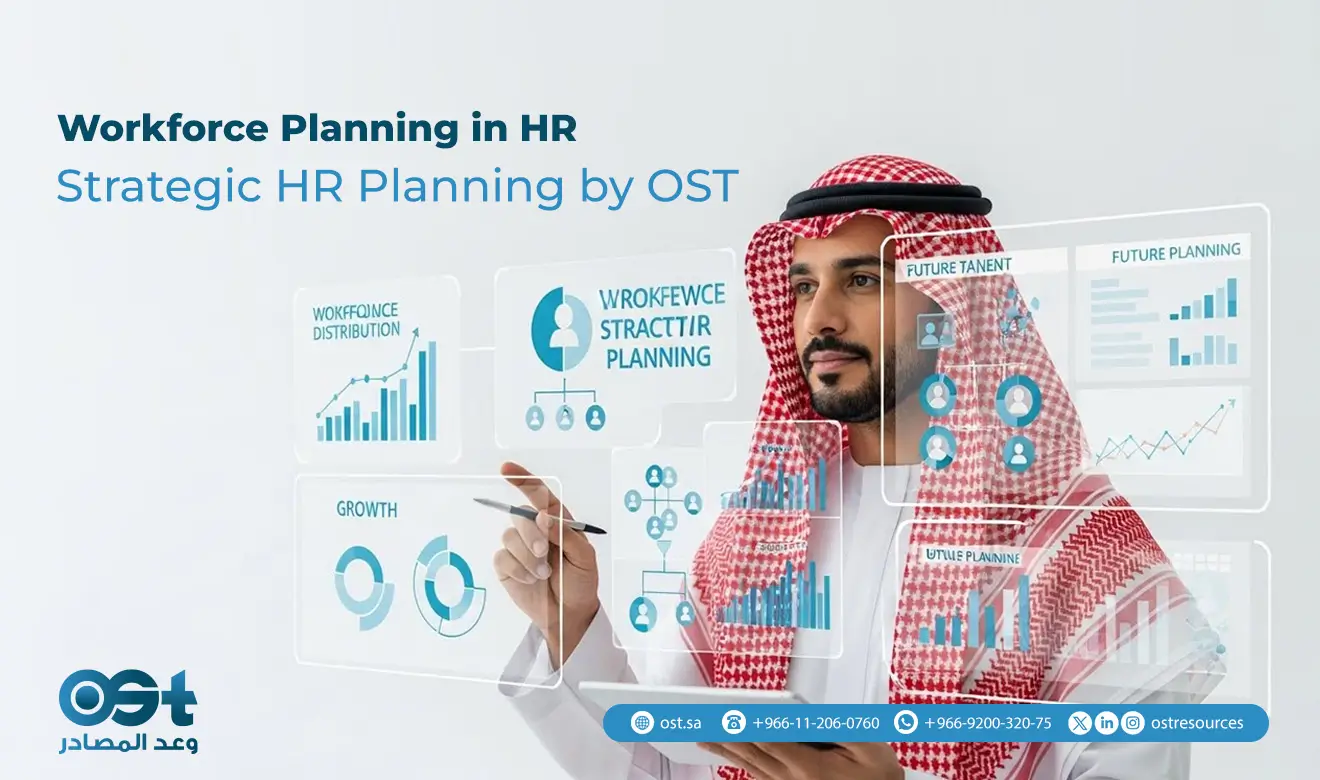
Workforce planning in HR is a strategic process that helps organizations ensure they have the right talent, skills, and capacity to achieve business goals. The current dynamic business world has been characterized by ever-changing features of organizations propelled by market needs, digitization, and a changing perspective of the workforce. Proper workforce planning enables HR executives to be ahead of the curve, minimize talent shortfalls, and ensure operational stability. Sustainable growth, companies can enhance productivity, and manage labor costs by adopting proactive hiring (instead of reactive hiring).
Strategic Importance of Workforce Planning in HR
The strategic importance of workforce planning in HR lies in its direct connection to business performance. It allows organizations to make decisions at the human capital level targeted towards long-term goals, which contribute to growth, innovation, and competitiveness in organizations. The workforce planning assists in decision-making by bringing clarity to the information regarding the future needs in staffing, as well as the risks that it may involve. It is also associated with ensuring that change is managed better in organizations because when talent strategies are planned in advance, then when issues come about, then organizations counter them rather than responding to them.
Aligning Workforce Needs with Business Objectives
Aligning workforce needs with business objectives is essential for effective workforce planning in HR. This alignment makes certain that the talent acquisition, development and placement is aligned to organizational priorities. The HR departments collaborate directly with the business leaders in terms of translating their business strategies into the workforce demands in terms of critical roles, skills set and level of staffing. The alignment of workforce planning with business goals results in organizations having a high level of resource utilization, performance, and employee engagement.
Forecasting Talent Demand and Supply
Workforce planning involves forecasting the demand and supply of talent. Demand forecasting determines the required employees and required skills to satisfy business future needs. Supply forecasting determines the present employee base skills, experience, turnover, and Internal mobility. Through the comparison of demand and supply, organizations can detect the gaps at the onset of time and take targeted measures, including recruitment, reskilling, succession planning, or workforce restructuring.
Role of Data and Analytics in Planning
Data and analytics play a central role in modern workforce planning in HR by transforming workforce management from intuition-based decisions into structured, evidence-driven strategies. HR data are becoming more and more important in helping organizations gain a better understanding of the behavior of the workforce, capacity, and future demands. Properly applied, analytics allow the HR leader to be proactive in their planning, mitigate risk, and make decisions that align the workforce with the overall business strategy.
The major areas in which data and analytics can be used to support workforce planning are:
- Trend analysis Workforce: Determining trends concerning the hiring, turnover, and absenteeis,m and internal movement to carry out effective planning.
- Insights into productivity and performance: The output and the efficiency of the workforce should be measured to distribute the roles optimally and use the capacity full.
- Attrition and retention prediction: It refers to the process of predicting the risk of turnover and specific retention measures with the help of historical data.
- Skills and capability mapping: Evaluating the current and future needs of skills to inform reskilling and upskilling processes.
- Predictive workforce modeling: Planning ahead by modeling the workforce in the future, i.e., growth, restructuring, or automation.
Challenges in Managing Workforce Capacity
Managing workforce capacity is one of the most complex aspects of workforce planning in HR, as it requires balancing current operational needs with future business demands. The organizations face the task of meeting the ever-evolving demands of skills, labor supply, and market needs with efficiency and limited expenditures. The issues of workforce capacity can easily affect productivity and service quality without an organized strategy.
The main workforce management capacity challenges are:
- Skill gaps and capabilities gaps: Technological change and job redesign is extremely fast, and qualified talent may be insufficient.
- Employee turnover: Both voluntary and involuntary turnover devastate the stability of the workforce as well as escalate the cost of recruitment and training.
- Poor workforce transparency: The poor workforce information in terms of its accuracy and incompleteness makes it hard to make effective capacity planning.
- Unpredictable business demand: Seasonal demand, growth, or restructuring may result in overnight over staffing or understaffing.
- Constant reskilling pressure: The constant upskilling needs cost the HR more resources and budgets.
Best Practices for Long-Term Workforce Strategy
The best practices of long-term workforce strategy enable the organization to sustain the workforce through a systematic approach to sustaining the workforce with the process of staying caused by ongoing change. An effective long-term plan is aimed at flexibility, decisions based on data, and a tight interconnection between HR and business leadership. With the implementation of the best workforce planning practices, organizations are able to minimize future risks, improve workforce preparedness,s and promote sustainable growth.
| Best Practice | Description | Strategic Impact |
| Continuous Workforce Assessment | Regularly reviewing workforce data, skills, and capacity. | Early identification of gaps and informed planning decisions |
| Scenario Planning | Evaluating multiple workforce scenarios based on business changes. | Improved preparedness for growth, restructuring, or market shifts |
| Learning and Development Investment | Ongoing training, reskilling, and upskilling initiatives. | Stronger workforce capability and reduced skill shortages |
| Succession Planning | Preparing internal talent for critical roles. | Leadership continuity and reduced dependency on external hiring |
| Internal Mobility Programs | Encouraging role movement within the organization. | Higher retention, engagement, and optimal talent utilization |
Preparing Organizations for Future Skills
Preparing organizations for future skills is a key objective of workforce planning in HR. With automation, artificial intelligence, and digital transformation redefining job descriptions, organizations need to detect new skill needs in time. Workforce planning assists reskilling and upskilling programs, which equip employees with the next-generation jobs. The strategy will decrease talent gaps, promote innovation, and make the workforce viable in the long-term.
Optimize Your Workforce Strategy with OST
OST offers strategic workforce planning services that assist companies in aligning talent plans with strategic business goals. In a way that enables them to create a resilient and future-ready workforce, OST uses structured analysis, data-based insights, and individualized planning frameworks to help organizations. It is in the practice of long-term value creation, compliance, and efficiency.
Contact OST
To strengthen your workforce planning in HR and develop a strategic talent roadmap, contact OST for professional support and tailored workforce planning solutions.