Human Resources Management plays a central role in shaping organizational performance and workforce stability. It concentrates on the management of the people, processes, and policies in a systematic manner that matches the strengths of the employees to the business goals. Effective Human Resources Management supports productivity, enhances employee engagement, and ensures compliance with labor regulations while maintaining operational consistency.
Human Resources Management Overview
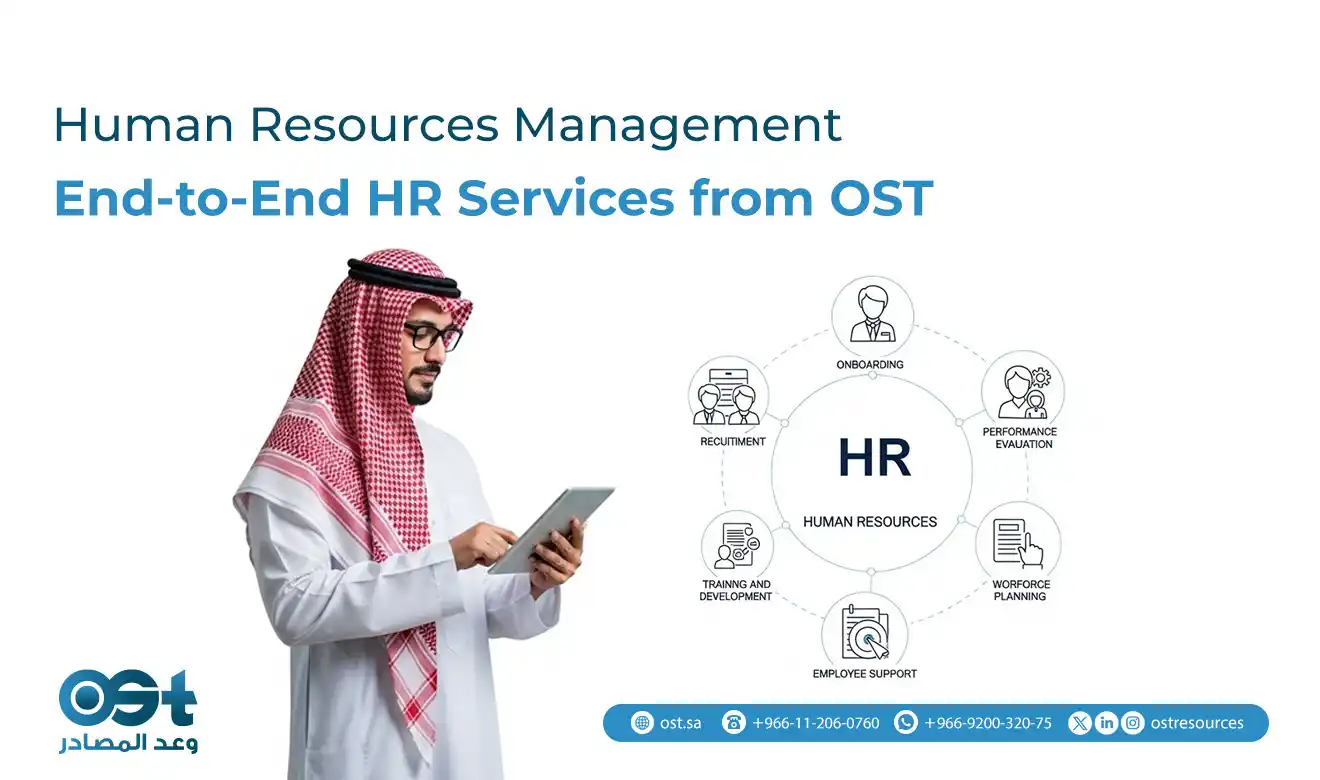
Human Resources Management encompasses the strategic and operational practices essential for recruiting, developing, retaining, and effectively managing employees within an organization. It covers the lifecycle of employees, including strategizing of the workforce, talent acquisition, onboarding, training, performance evaluation, career growth, and exit management. In today’s highly competitive and regulated business environments, Human Resources Management is increasingly recognized as a strategic function that influences long-term business sustainability, organizational culture, and employee engagement. With analytics, digital solutions, and data-driven insights, human resource departments can simplify workforce planning, manage gaps and shortages in skills, advance productivity, and build a resilient workforce through the motivation of employees. The expanded use will ensure that it is aligned with the organizational goals, it improves retention, and encourage constant improvement with all the efforts made by the human capital.
Core HR Management Functions
Human Resources Management is built on a comprehensive set of core functions that not only support organizational efficiency but also enhance employee engagement and satisfaction. These key functions include; workforce planning; which facilitates the availability of the right talent at the right time, talent acquisition; which facilitates the hiring of the best talents, onboard planning; which facilitates the smooth integration of the employee, training and development planning; which facilitates the development of skills and career growth and finally the employee relations management which ensures that there is a healthy workplace culture. By integrating these functions as one and in a strategically compatible environment, the HR departments can create a uniformity that is consistent, equitable, accountable, and aligned to the organizational overall goals; creating a workforce that is highly productive, highly motivated, and is capable of serving the new business needs.
Employee Performance Management
Employee performance management is a critical component of Human Resources Management. It is defined by the establishment of specific performance goals, tracking the progress, feedback, and formal assessments. A proper-performance management system is useful in determining the skills gap, professional growth, and aligning individual performance with the organizational priorities. Performance management is a tool used regularly to enhance accountability and promote the continuous improvement of teams.
HR Policies and Compliance
HR policies and compliance form the foundation of ethical and legally compliant Human Resources Management. Clear HR policies give a clear direction on how to behave at the workplace, payment, working hours, health and safety, and the rights that the employees have. Adherence to labor laws and internal regulations assists organizations in mitigating legal risks, ensuring transparency, and earning the trust of employees. The policy should be reviewed and updated regularly to accommodate the changes in regulatory matters and transforming workforce expectations.
Digital Tools in HR Management
Digital tools have significantly transformed Human Resources Management by improving efficiency, accuracy, and data visibility. The use of human resource information systems, payroll systems, performance tracking systems, and the use of learning management systems allows HR departments to automate their daily tasks and concentrate on strategic activities. As well, data-driven HR tools aid in making smarter decisions about the workforce, trends inthe workforce, employee engagement, and productivity levels.
Key HR Challenges
Despite its strategic importance, Human Resources Management faces multiple challenges that directly affect workforce stability and organizational performance. Such issues have been brought about as a result of the market environment, regulatory requirements, and a shift in employee expectations, which demand HR departments to be flexible and proactive in managing themselves. The table presented below summarizes the prevalent HR issues and their organizational effects.
| HR Challenge | Description | Organizational Impact |
| Talent Shortages | Difficulty attracting qualified candidates in competitive markets | Delays in hiring and increased workload on existing teams |
| Employee Turnover | High rates of employee exits | Increased recruitment costs and loss of institutional knowledge |
| Workforce Expectations | Demand for flexibility, growth, and work-life balance | Pressure on HR policies and engagement strategies |
| Remote and Hybrid Work | Managing distributed teams and performance | Challenges in communication and productivity tracking |
| Compliance Requirements | Adapting to labor laws across regions | Higher legal and operational risks |
| Skills Gaps | Mismatch between current skills and business needs | Reduced efficiency and limited growth potential |
Future of HR Management
The future of Human Resources Management is shaped by digital transformation, workforce analytics, and a growing focus on employee experience. Recruitment, performance management, and workforce planning are likely to require a more significant contribution of artificial intelligence, predictive analytics, and automation. Meanwhile, organizations are also giving more priority to diversity, inclusion, and the well-being of employees. HR teams that are open to these trends are able to enhance resilience and facilitate the growth of an organization in a sustainable way.
Human Resources Services by OST
OST provides structured Human Resources Management services designed to support organizations across the full employee lifecycle. Other services are operational support, policy implementation, performance frameworks, and compliance management. Through standardized HR practices, organizations will be able to increase stability in the workforce, efficiency, and stay aligned with the business goals.
Contact OST
For professional Human Resources Management support and end-to-end HR services, contact OST to explore solutions aligned with your organizational needs.