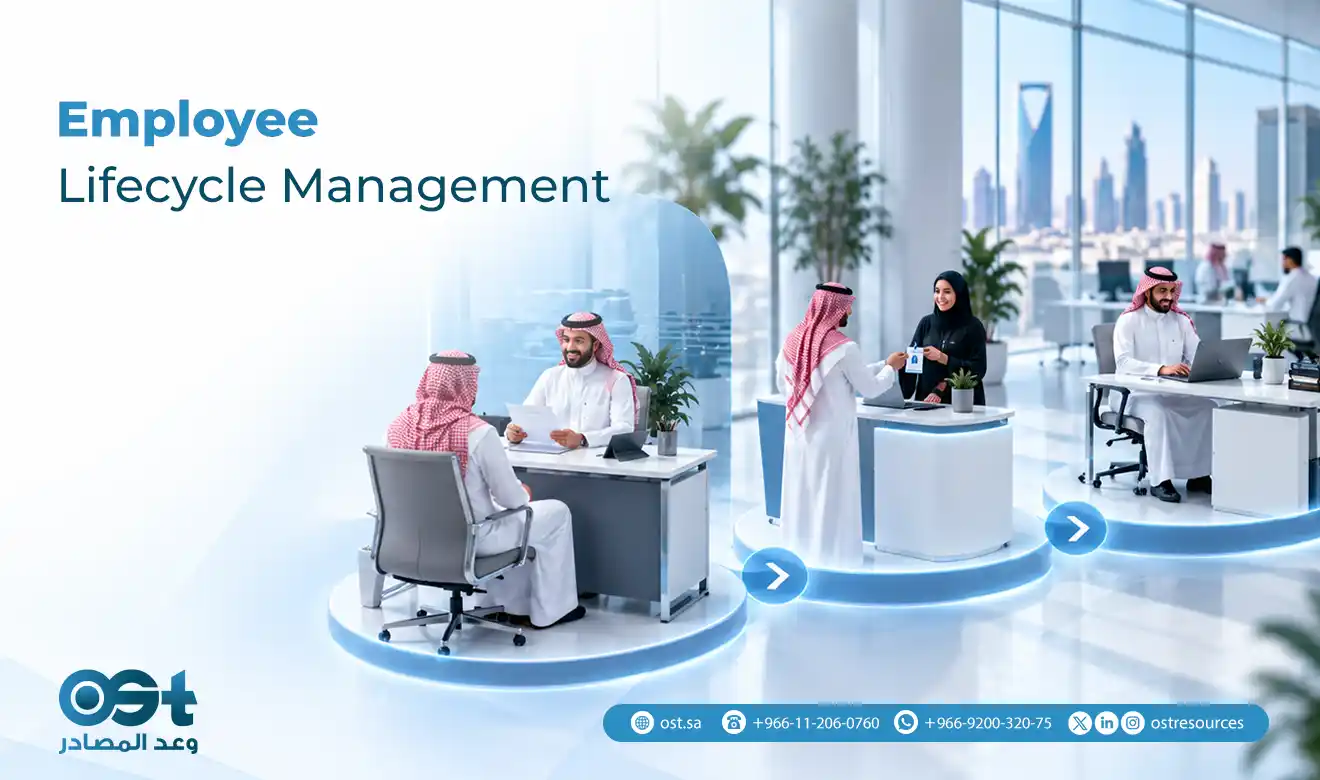
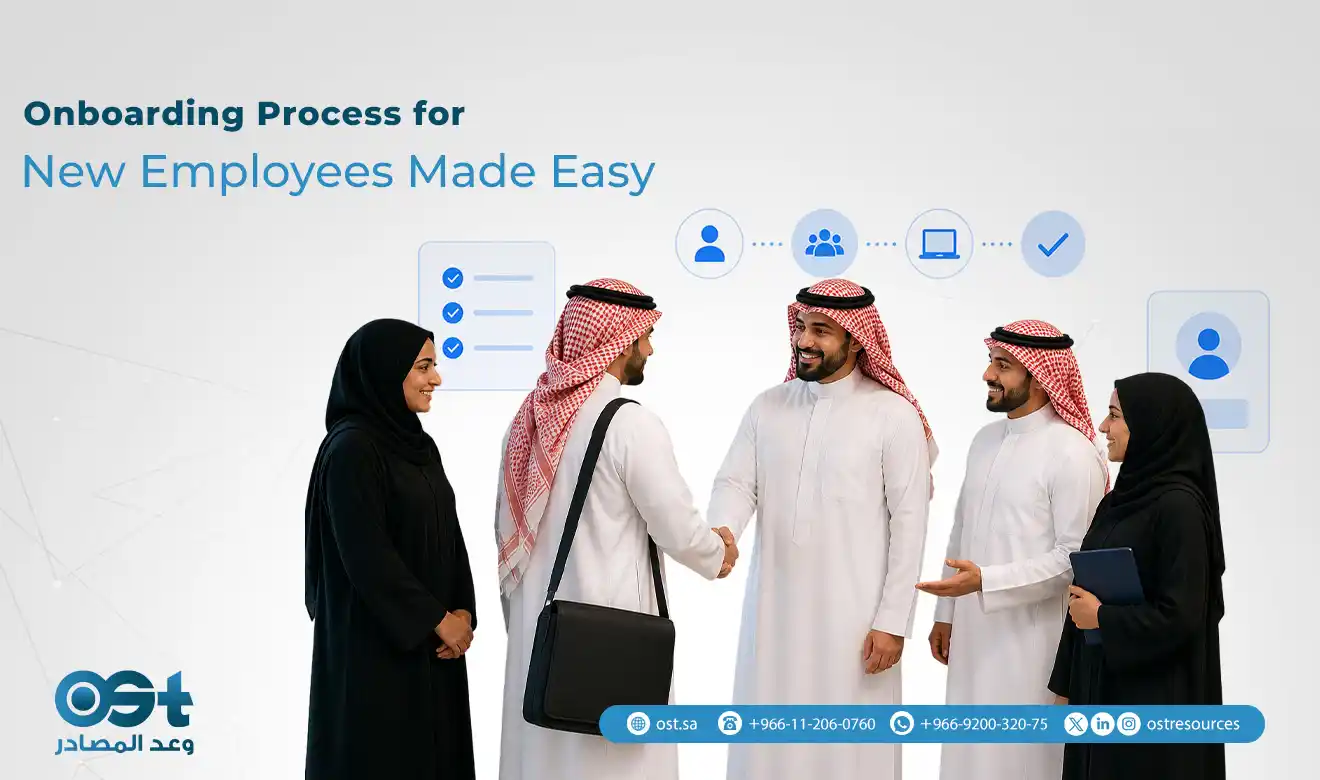
The onboarding process for new employees is an important HR activity that assists organizations in incorporating new employees into the workplace easily and efficiently. It is not merely a matter of filling forms or providing a brief orientation, but a well-planned process that takes an employee through the stages of accepting a job offer to when he or she is fully productive in the company. When a proper onboarding procedure is established to welcome new staff to the company, new employees are aware of their functions, duties, organizational culture, and expectations
What is the onboarding process for new employees?
Onboarding of new employees is a set of activities that are organized to assist new employees in getting acclimatized to the job and work environment. It involves administrative work, training, team introduction, and orientation to corporate policies and values.
In contrast to basic orientation, onboarding of new employees is a process that spans over a longer duration and involves gradual integration. It makes sure that the employees not only know what they are supposed to do but also feel at home in the organization.
An effective onboarding of new staff members fosters confidence, minimizes confusion, and increases productivity.
Importance of the onboarding process for new employees
Onboarding of new employees contributes significantly to employee experience and success in the long term in an organization. It has a direct influence on retention, engagement, and performance.
Employee turnover can be listed among the most crucial advantages. New hires will be willing to remain in the company when they feel supported and informed at the onset. A good onboarding process for new hires also enhances job satisfaction by establishing expectations and eliminating any form of uncertainty.
It also consolidates company culture as it helps employees know the values of an organization and their role in achieving business objectives.
Steps in the onboarding process for new employees
New employees will have a structured onboarding process with clear steps to be followed to ensure its effectiveness and consistency. The stages are aimed at assisting employees during their transition into their positions.
Key Steps:
- Documentation and pre-boarding preparation.
- Official greeting and introduction to the company.
- Policies and culture Orientation sessions.
- Role clarification and job-specific training.
- Designation of mentors or team leaders.
- Frequent performance feedback and tracking.
- Teamwork and assimilation into projects and workflows.
Every stage of the onboarding process of new employees is a guarantee of a smooth transition and contributes to the fact that employees become productive more quickly.
Common challenges in the onboarding process for new employees
Although it is a significant process, the onboarding of new employees is usually characterized by a number of challenges. Lack of structure is one of the most prevalent problems, as it can cause uneven experience among new employees.
Ineffective communication among the HR teams, managers, and employees may also cause confusion. In certain companies, insufficient training materials or the absence of appropriate onboarding resources may slow down the assimilation of employees.
Information overload is another problem whereby new employees are given too much information at once that they cannot absorb. These problems are critical to solving to enhance the onboarding procedures of new hires.
Best practices for the onboarding process for new employees
Organizations must adhere to best practices in designing the onboarding process of new employees in order to be effective.
Among the key measures is developing a clear onboarding plan that describes every step of the process. Strategizing training and job previewing can aid employees in getting early expectations.
Mentoring or buddy assistance is also very useful as new employees have first-hand support and guidance. Frequent feedback on the onboarding process of employees is used to detect problems and correct performance.
A successful onboarding experience is all about consistency and communication.
Streamline the onboarding process for new employees with OST
OST offers professional HR services that aim at enhancing and simplifying the process of onboarding new employees. Their experience assists organizations in creating organized, effective, and scalable onboarding systems that improve employee experience.
Using OST solutions enables businesses to save time onboarding, enhance their engagement, and enable new employees to be more productive at a faster rate. They aim at merging HR knowledge and new technology in order to achieve quality outcomes.
Get in touch with OST to streamline the onboarding process of new staff members with customized HR solutions that cater to the modern organizations.
Digital transformation in the onboarding process for new employees
The onboarding of new employees has been greatly enhanced in the last few years due to digital transformation. Onboarding activities like documentation, training, and communication are some of the activities that have been automated on HR software platforms by many organizations.
Onboarding can also be done online, allowing employees to finish necessary procedures before their first day, which saves the administration workload. It is also more consistent and can be more accessible, particularly working remotely or in a hybrid setting.
Consequently, the onboarding of new hires has become quicker, more effective, and interesting with the use of digital tools.
Digital vs Traditional Onboarding
Aspect | Traditional Onboarding | Digital Onboarding |
Documentation | Paper-based | Fully digital |
Speed | Slower | Faster |
| Accessibility | Limited | Remote-friendly |
| Consistency | Varies | Standardized |
| Employee Experience | Basic | Interactive & engaging |
How to optimize the onboarding process for new employees
The continuous assessment and optimization of the onboarding process of new employees is necessary. To determine gaps and areas of improvement, organizations should seek continuous feedback of new hires.
The efficiency can be enhanced by simplifying the workflow and minimizing extra steps that are not necessary. Engagement and effectiveness can also be enhanced by personalizing the onboarding experience according to job roles.
The application of data-driven HR systems can serve to monitor the progress, gauge success, and ensure that onboarding new employees is in line with business objectives.