Employers with expatriates in Saudi Arabia will need to address a number of related administrative issues to ensure that employment documents are kept up to date. One of the things that may be a part of the government’s procedure for employees who are eligible for insurance may be their insurance status, and business owners should keep track of the insurance status of their employees and update their records accordingly. Employers can facilitate the administration of their workforce, detect missing information at an early stage, and avoid unnecessary delays in the process, given that they know what is needed for medical insurance iqama renewal.
Is Medical Insurance Required for Iqama Renewal?
The relationship between insurance and residency procedures are related to the employee’s status and the current Saudi regulations. Active health insurance information is integrated into government systems in applicable cases and may be needed to complete procedures related to residency.
Employers should not presume that the renewal requirements have been met when an insurance policy exists. The policy should be live, properly linked with the employee’s details, and correctly represented within the systems. Companies must check the employee’s medical insurance status prior to medical insurance iqama renewal. This is important when a policy has been just issued, renewed, changed, or transferred. It is also advisable for employers to check on the current requirements on the appropriate Saudi government platforms, as procedures and system requirements can change.
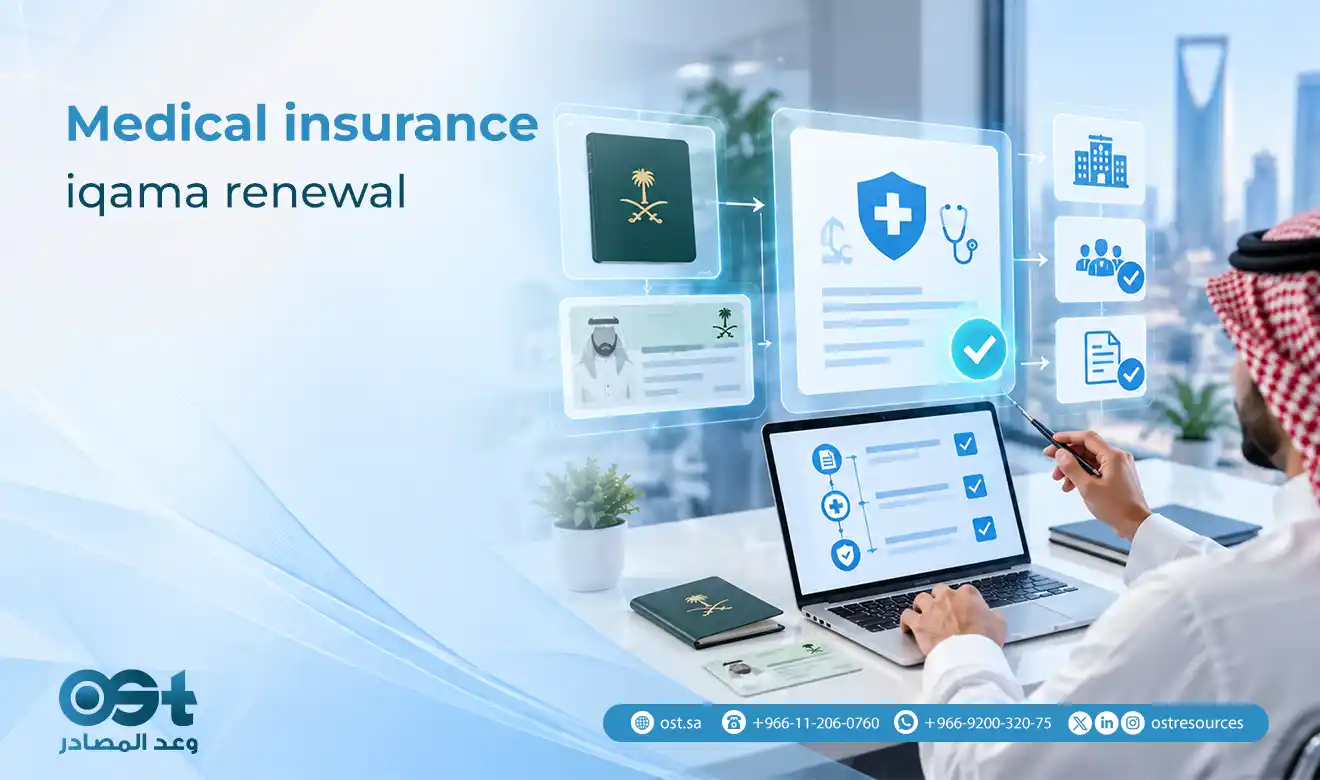
How Medical Insurance Supports Iqama Renewal
The process of health insurance and residency administration are two distinct ones, however they can be associated using government systems. If the employee’s insurance information has been accurately entered and is in effect, it can facilitate the necessary administrative process.
Therefore, companies with more than one employee should keep insurance records along with their other employee records. There may be a problem with an employee’s ID info, a policy expiration, or a lag time in keeping records up to date that needs to be fixed before you move forward.
A practical review may include any of the following:
- Determining if employee has active insurance policy
- Verifying employee ID information
- Reviewing policy dates
- Checking if the insurance information has been updated in the concerned system
- Tracking upcoming expiration dates
- Maintaining insurance paperwork to serve as administrative reference.
Renewing a medical insurance IQAMA can be a bit more complicated if their company works with a number of expatriate employees who have different medical insurance policy dates. Having one central HR process can help to determine future renewals and updates. Through workforce and HR support, OST can assist organizations to coordinate employee-related administrative processes.
Steps to Arrange Medical Insurance for Iqama Renewal
If an employee requires insurance to be updated, the employer should establish the requirements and verify the employee’s insurance status. It is likely that the following steps are part of the process:
1. Review the Employee’s Current Insurance
Determine if the employee’s coverage is already in place and when it will expire. If coverage has ended or is about to end, the employer might need to make plans to renew or obtain a new policy.
2. Verify Employee Information
Employee data should be consistent with that provided to the appropriate government and insurance systems. Identification data errors can lead to administrative problems.
3. Arrange or Renew Coverage
The employer may arrange for the insurance coverage to be issued and/or renewed with the insurance company or the authorized channel, in accordance with applicable requirements.
4. Confirm the Insurance Status
Once the policy is published or renewed, the employer needs to confirm that the new information is correctly recorded and accessible via the appropriate systems.
5. Proceed With Residency-Related Procedures
If all the necessary insurance and other conditions are met, the employer may proceed with the procedure for the renewal of an employee’s residence on a government website. The exact process may differ based on the employee’s situation and companies should verify the most up-to-date requirements prior to starting the process.
Get Reliable Workforce Support Fromsituation
Insurance management for employees may be just a component of a broader employee administration process. Companies could also require to align documentation, contracts, payroll, attendance, recruitment, residency-related documents, and other HR tasks of the employees.be required
OST offers workforce and HR solutions to address employers’ HR and employee administration needs. It can support businesses to streamline and arrange regular workforce operations and manage administrative tasks effectively as the workforce evolves. Employers who have a significant number of expatriate staff may find it easier to have systems in place to help them keep track of significant dates and understand key administrative needs in advance. Looking for assistance with human resource (HR) management in Saudi Arabia? Please speak with OST to discuss your needs.
Contact OST
If workforce administration is a concern, companies can collaborate with OST to determine which HR and operational processes are in need of extra support. The essential requirement could be employee administration, recruiting, workforce management or other HR services and the most suitable model would depend on the size of the workforce, the HR resources within the organization and its workflow. Contact us about your employee management and workforce support needs.
How to Check Your Insurance Status Before Renewal
An employer should verify the information provided by the employee on their medical insurance is up to date and properly filed. Employees and employers can check the coverage information through the suitable channels provided by the Saudi government and insurance companies. The exact process for the checking procedure can vary depending on the platform and type of insurance. When looking at an employee’s status:
Information | What to Review |
Insurance status | Whether the policy is active |
Expiry date | When current coverage ends |
| Employee details | Whether identification information is accurate |
| Policy information | Whether the policy belongs to the correct employee |
| Registration status | Whether updated insurance information is reflected in the relevant system |
This feature allows employers to check the information before the date for renewing the residency to ensure they have time to resolve discrepancies or provide updated coverage as needed. One of the other things that the companies should avoid is to wait till the last minute before renewal, especially when dealing with several employees. Keeping an in-house calendar of insurance and residency deadlines can streamline workforce management.
How Employers Can Manage Employee Insurance Requirements
Effective medical insurance iqama renewal administration starts with accurate employee records and clear responsibility. Companies should determine who is responsible for monitoring insurance policies, communicating with providers, updating records, and coordinating with other HR processes. For larger workforces, a centralized system can help HR teams monitor:
- Employee insurance status
- Policy start and expiry dates
- New employee enrollment
- Employee departures
- Policy changes
- Required documentation
- Upcoming renewal dates
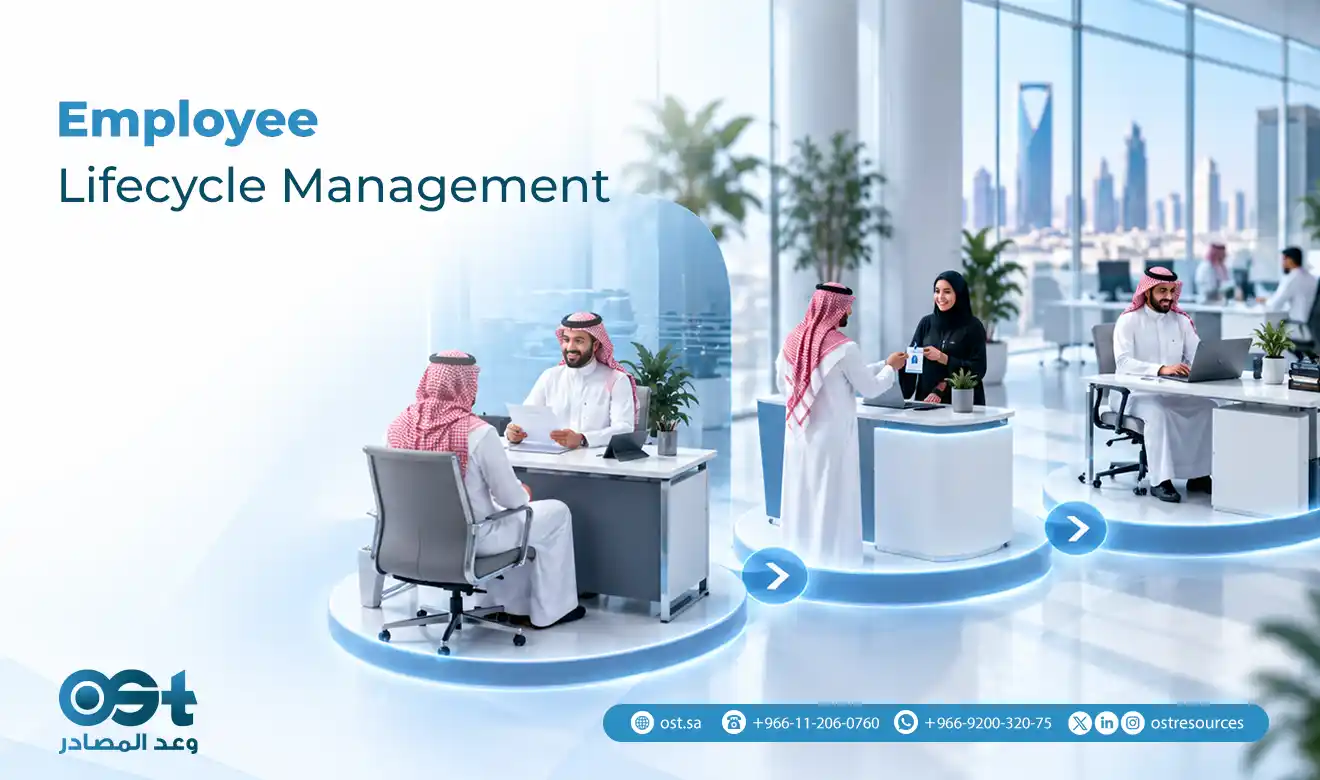
It is also useful to integrate insurance monitoring with the broader employee lifecycle. When an employee joins the organization, insurance requirements can be included in the onboarding process. When employment ends, the relevant insurance records can be updated as part of offboarding. Medical insurance iqama renewal should therefore be viewed as part of wider workforce administration rather than as an isolated administrative task. External HR and workforce support can be useful for companies that need additional capacity to manage recurring employee processes