
With the expansion of the business, it becomes more and more inefficient to manage employees, data, and compliance manually. The trend today is that organizations are moving towards digital solutions that enable them to automate processes and enhance overall performance. It is at this point that the best HR systems are vital in changing the way in which companies handle their workforce.
What defines the best HR systems today
The best HR systems are not merely employee data management tools but all-inclusive systems that help businesses to grow. They integrate automation, analytics, and easy-to-use interfaces to make complicated HR tasks easier.
These systems assist companies in centralizing their operations and making decisions based on data, which enhances efficiency and employee experience.
Key characteristics include the following:
- Centralized data management
- Automated routine processes.
- live reporting and analytics.
- Solutions that can be scaled to expand businesses.
How to select the right HR system for your company
To select the appropriate system, it is necessary to clearly understand what your company needs. HR platforms have not been created equally, and therefore, businesses have to weigh their priorities first before deciding.
The ease of use, scalability, and integration capabilities are some of the factors companies ought to consider when choosing the best hr systems.
Important selection criteria:
- User-friendly interface
- Customization options
- Interoperability with other tools.
- Data security and compliance.
Key features of modern HR platforms
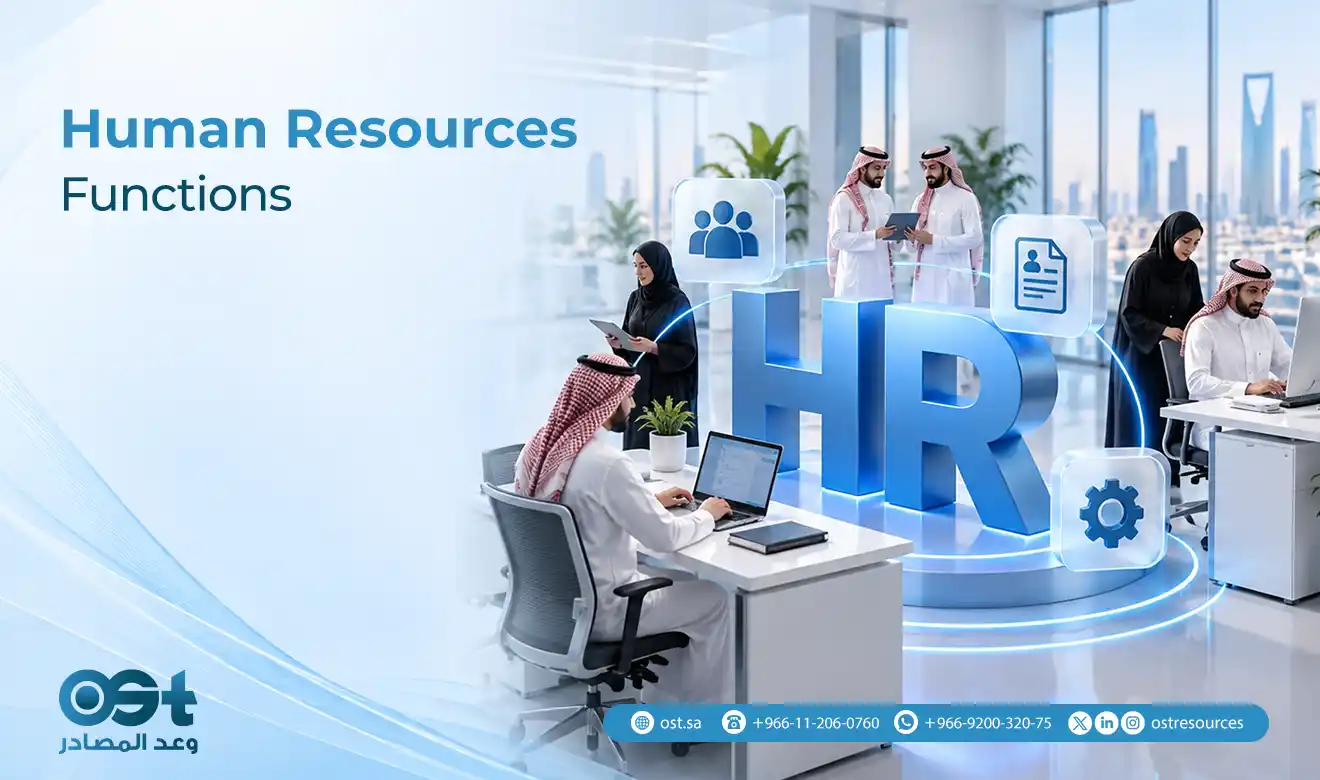
The current HR solutions are created to manage various functions within a single solution. The features enable businesses to manage their workforce more efficiently and minimize manual work.
These platforms are a one-stop solution to HR management, starting with recruitment and going through payroll and performance monitoring.
Essential features include the following:
- Employee database management
- Processing payroll and benefits.
- Time-tracking of attendance and leaves.
- Performance evaluation tools
HR systems that boost employee productivity
The first benefit of the best HR systems are that they can enhance the productivity of the employees. Repetitive tasks become automated, and employees are able to focus more on high-value and strategic tasks.
Moreover, transparency and explicit procedures enhance employee interaction and motivation.
Productivity benefits include:
- Faster task completion
- Improved communication
- Better performance tracking
- Increased employee engagement
Benefits of digital HR transformation
Digital HR transformation is not a choice anymore. Businesses that embrace contemporary HR systems also have an edge over their competitors through efficiency and low operation costs.
Data insights and automation enable companies to make decisions more effectively and to respond to market changes swiftly.
Key benefits include the following:
- Reduced operational costs
- Improved accuracy
- Faster decision-making
- Enhanced employee experience
Mistakes to avoid when choosing HR systems
Although investing in the best HR systems is crucial, the selection of an inappropriate solution may result in inefficiencies and resource wastage. The selection process should be carried out without common mistakes being made by businesses.
Being aware of these pitfalls will enable companies to make smarter choices and to reap the greatest rewards from their investment.
Common mistakes include:
- Ignoring scalability needs
- Selecting too complicated systems.
- Insufficient training.
Improving operations using smart HR systems
Smart HR systems enable companies to streamline their business by combining various processes in a single platform. This lessens the occurrence of work duplication and enhances efficiency.
Having access to real-time data and analytics, managers are able to monitor performance and make sound decisions that will lead to business growth.
Traditional HR vs Smart HR Systems
Before implementing a new HR system, it is essential to clearly understand the differences between traditional HR practices and modern, technology-driven solutions. Organizations that rely on manual processes often face challenges related to inefficiency, limited scalability, and a higher chance of errors. In contrast, the best HR systems are designed to streamline operations, automate repetitive tasks, and provide real-time insights that support better decision-making.
The following table presents a side-by-side comparison of key features, highlighting how each approach impacts overall performance. From data handling and accuracy to reporting capabilities and operational efficiency, this comparison helps decision-makers evaluate the true value of digital transformation in HR. By examining these differences, businesses can confidently choose solutions that enhance productivity, reduce costs, and support long-term growth.
Feature | Traditional HR | Smart HR Systems | Impact |
Data Handling | Manual | Automated | Faster processing |
Accuracy | Low | High | Fewer errors |
| Reporting | Limited | Real-time | Better decisions |
Scalability | Limited | High | Supports growth |
| Efficiency | Low | High | Improve performance |
Upgrade your HR system with OST
Experts play a vital role in helping businesses enhance and modernize their HR practices, especially in today’s fast-evolving digital landscape. Many organizations struggle with selecting, implementing, and managing the best HR systems that align with their specific needs and long-term goals. This is where professional guidance becomes essential. OST offers specialized services designed to support businesses throughout the entire process, from system selection and implementation to ongoing optimization and management.
Contact OST
Are you prepared to change your HR functions? Call OST to discuss custom solutions that will assist you in optimizing processes, enhancing productivity, and achieving business expansion in the long term.