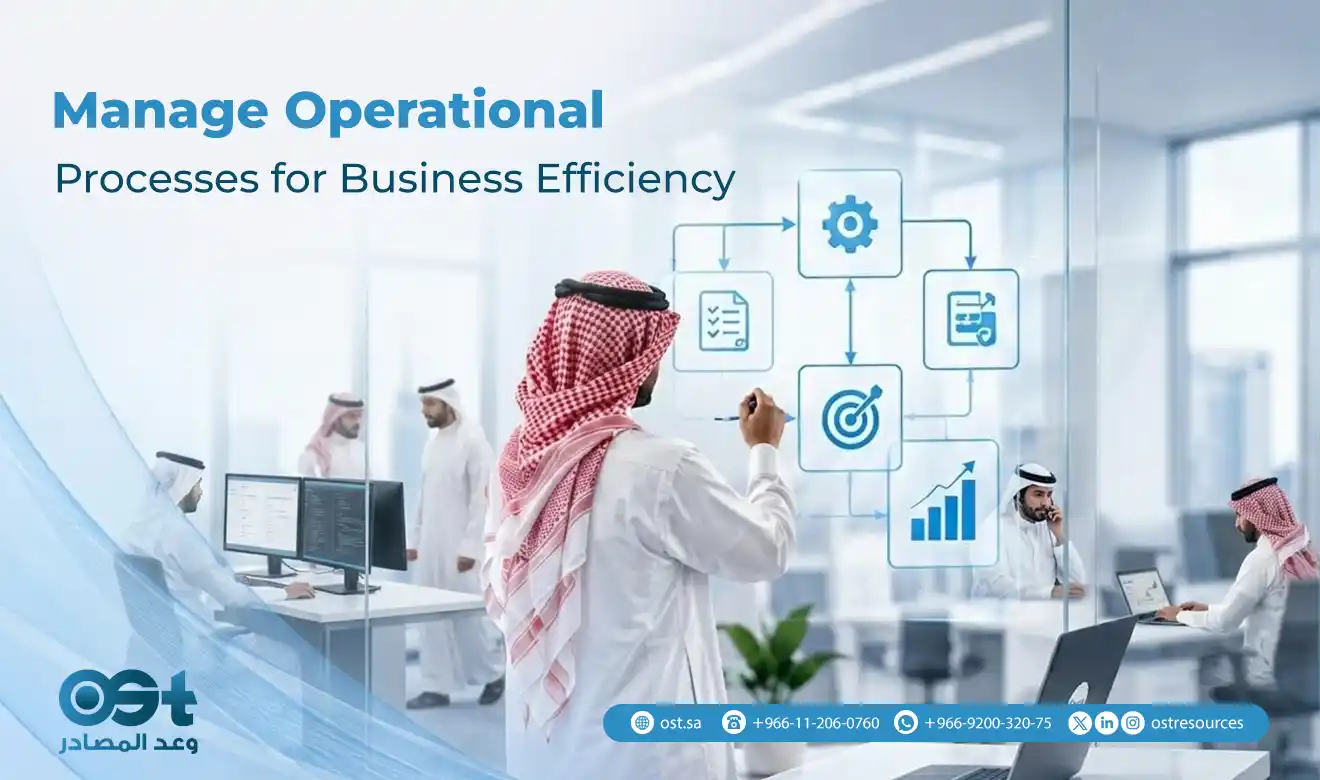
In order to ensure that business tasks are carried out smoothly, within budget, and consistently, they must have organized processes. Effective process management aids in coordinating staff, resources, technology, and processes around clear business goals. In the absence of structured operations, businesses could suffer from delays, duplicate effort, miscommunication, and underutilization of resources. Good manage operational can give a structure to increase productivity and help businesses meet the evolving needs of their customers and the opportunities that come their way. With proper processes, the right technology, quantifiable KPIs, and best practices, organizations can create a leaner and more sustainable operation.
What Are Managed Operations?
“Manage operations” means arranging, tracking, and enhancing the activities of a business on a daily basis. This can be workforce planning, supply chain, production, inventory, customer service, quality control, and performance monitoring. Good operational management enables companies to manage resources effectively, ensure quality, and to fulfil organizational objectives.
How Efficient Processes Support Business Performance
Productivity, service quality, operating cost, and customer satisfaction are directly affected by efficient processes. If employees know what to do and how their job should be done, it means there will be less uncertainty and fewer delays.
One of the benefits of well-designed processes is that they can support organizations to:
- Reduce duplicated work.
- Improve resource utilization.
- Minimize operational errors.
- Reduce unnecessary costs.
- Improve response times.
- Maintain consistent quality.
- Clarify employee responsibilities.
- Improve customer experiences.
The Role of Clear Procedures in Daily Operations
Clear procedures provide employees with a consistent framework for completing routine activities. Without documented procedures, employees may perform similar tasks differently, creating inconsistencies and making performance more difficult to monitor.
A useful operational procedure should explain the main steps involved, identify responsibilities, and define the expected result.
- For example, an internal purchasing procedure may identify:
- How a purchase request is submitted.
- Who reviews and approves it.
- How suppliers are evaluated.
- How the purchase order is created.
- How delivery is confirmed.
- How the transaction is recorded.
Using Technology to Simplify Business Operations
Technology can make businesses easier to manage by automating repetitive work, organizing information, and facilitating communication. Efficiency can be boosted with the help of tools like ERP, CRM, payroll, inventory, and project management systems. But selecting technology for businesses should be done depending on their specific operational requirements and should also guarantee seamless incorporation into current processes.
Measuring Process Performance Through Relevant KPIs
Without quantitative assessment of performance, there can be no improvement in operational processes for businesses. Key Performance Indicators (KPIs) give managers information about the measurable progress of processes toward their objectives.
Examples of operational KPIs may be:
KPI | What It Measures |
Process Completion Time | How long tasks take to complete |
Error Rate | Frequency of operational mistakes |
Productivity | Output relative to resources used |
| Cost per Process | Cost associated with completing an activity |
| Customer Response Time | Speed of responding to customers |
| On-Time Delivery | Percentage of activities completed on schedule |
| Resource Utilization | How effectively available resources are used |
How to Manage Operations During Business Growth
As a business expands, its operating procedures may be put under strain. What works well in a small company can become inefficient as the company expands in size, customer base, suppliers, or locations. Businesses should try to audit their processes accordingly as they expand.
There are a number of areas to focus on:
- Workforce capacity.
- Organizational responsibilities.
- Technology requirements.
- Approval processes.
- Customer service capacity.
- Supply chain requirements.
- Financial controls.
- Data management.
Professional Operational Management Support from OST
OST provides professional consulting and business support services designed to help organizations improve their workforce, HR, and operational processes in Saudi Arabia. For companies looking to manage operational activities more effectively, professional support can help identify inefficient workflows, clarify responsibilities, establish structured procedures, and improve performance monitoring.
OST can work with businesses to understand their operational requirements and develop practical approaches that align processes with business objectives. This can be particularly valuable for organizations experiencing growth, restructuring their operations, or seeking to improve workforce efficiency.
Professional consulting can also help businesses identify where technology, process redesign, or better workforce planning could improve operational performance.
Rather than focusing on individual problems in isolation, a structured operational approach considers how employees, procedures, technology, and resources work together.By improving these connections, businesses can create more consistent processes and establish a stronger foundation for sustainable growth.
Contact OST
Efficient operations require clear processes, capable employees, appropriate technology, and measurable performance standards. OST can help businesses review and improve their operational and workforce processes according to their specific requirements, while identifying opportunities to enhance efficiency, productivity, and overall business performance. Contact us to discuss your business needs and explore professional operational management support.