A productive workforce and long-term business success are the basis of effective HR activities in company operations. Human resources is no longer confined to just hiring staff or dealing with payroll. HR departments in modern times serve a strategic purpose, helping to recruit talent, improve employee productivity, ensure labor law compliance, and foster a positive work environment. With the ongoing evolution of the organizations, well-managed HR activities can be used to enhance employee engagement, lower employee turnover and boost the efficiency of the operation. Investing in structured HR processes can help companies thrive and adjust to new requirements in the business world, ensuring sustainable growth.
What Are the Core HR Activities in Company Operations?
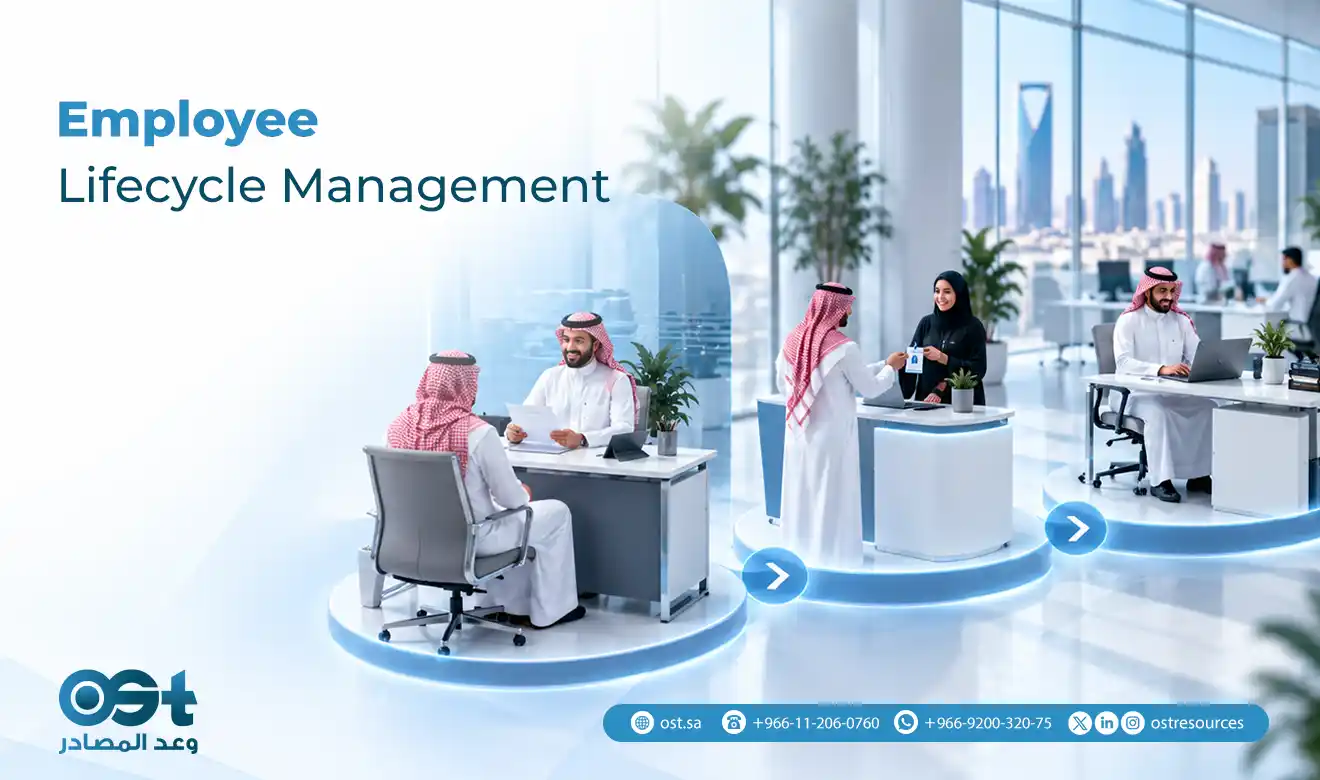
HR functions in companies can be performed throughout the employee lifecycle. Human Resources plays a vital role in ensuring that people, processes, and business goals stay aligned from recruitment to career development.
Some of the basic HR functions are:
- Planning for and hiring staff.
- Employee induction and orientation.
- Training and professional development.
- Performance management.
- Administering payroll and benefits.
- Employee relations and the implementation of policies.
- Compliance with labor laws and company regulations.
All of these activities help to make the workplace organized, be aware of the needs of employees, and help them to work well.
Employee Onboarding and Training Processes
The onboarding process is one of the most valuable HR actions in a company’s business management, as it forms the employee’s initial impression of the company. It helps new hires learn company policies, organizational culture, and expectations, and minimizes the amount of time it takes to get them up and running.
Staff development is also an important factor in training. Employees can have a chance to enhance their technical skills, leadership abilities, and overall performance as business needs evolve through continuous learning.
A good orientation and induction program usually comprises the following:
HR Process | Purpose | Business Benefit |
Employee Orientation | Introduce company policies and culture | Faster adaptation |
Job-Specific Training | Develop required technical skills | Higher productivity |
| Compliance Training | Meet legal and workplace requirements | Reduced operational risk |
| Continuous Learning | Support career growth | Better employee retention |
Organizations can often boast better retention and engagement rates when employees are given the right direction from the start.
Performance Management and Employee Evaluation
Performance management is one of the most crucial HR activities in the company’s operations as it relates employee performance to their organizational goals. Today’s businesses are increasingly guided by continuous feedback and measurable performance indicators, in addition to annual reviews.
A good performance management system has a consistent workflow that is typically made up of the following stages:
- Set clear expectations for performance.
- Give frequent feedback about achievements.
- Make structured performance assessments.
- Identify development opportunities.
- Take the time to acknowledge and reward good work.
Those companies that have a uniform system of evaluating performance are better equipped to recognize the high flyers, to deal with performance deficiencies, and to provide targeted training to the employees.
Compensation and Benefits Administration
Another key aspect of HR activities in company operations is compensation and benefits management. Compensation packages that are fair and competitive will help you attract high-quality candidates and retain them for the long term.
In addition to salary management, HR departments need to make sure that employees’ benefits are competitive, compliant, and aligned with the organization’s goals. Depending on the company policies, they can get leave management, insurance programs, performance incentives, and other employee-support programs.
Compensation strategies are an important part of creating a job that is satisfying to employees and helps companies stay competitive in the current job market. In addition, they are known to uphold the fairness of the organization by establishing policies that provide equal pay for equal work.
Strengthen Your HR Operations with OST
Company HR management needs to be experienced, efficient, and well-versed in the needs of the company to handle comprehensive HR activities. For growing businesses, effective HR operations are essential for productivity and ensuring adherence to regulations.
OST offers professional administrative and human resource solutions to EDPs for efficient handling of HR activities and enhanced operational efficiency and workforce management. It provides human resource management, helps with recruitment, prepares payroll, designs organizational structure, evaluates jobs, and deals with internal policy preparations.
From both expansion and optimization perspectives, OST can help establish structured HR processes that benefit the employees and the organization as a whole in the long run.
Looking to enhance your HR processes? Contact us today to find out how HR and administrative support can help your business create a more productive and effective team.
How Technology Is Transforming HR Activities in a Company
Technologies have immensely revolutionized the way HR functions are handled in company environments. Digital solutions streamline repetitive admin tasks so HR professionals can concentrate on strategic workforce planning and employee development.
Businesses benefit from modern HR technology, with the ability to improve data accuracy, simplify document management, and gain valuable insights into the workforce. Digital systems can also facilitate communication among staff and management and minimize management paperwork.
As organizations move on towards digital transformation, technology is playing a vital role in effective human resources management and sustainable business growth.
Measuring the Effectiveness of HR Functions
HR performance evaluation is an effective method in assessing whether or not HR strategies are yielding measurable business results. This should not be just about administrative matters but should consider the impact of HR on productivity, employee engagement, and organizational growth.
Some of the most common performance metrics are recruitment efficiency, employee retention rates, training effectiveness, workforce productivity, and employee satisfaction. These metrics can be tracked regularly, allowing businesses to find areas for improvement and make informed decisions on future HR initiatives.
Reliable HR performance measurement can help businesses reinforce HR workforce planning, enhance employee experience, and ensure HR supports overall business goals.