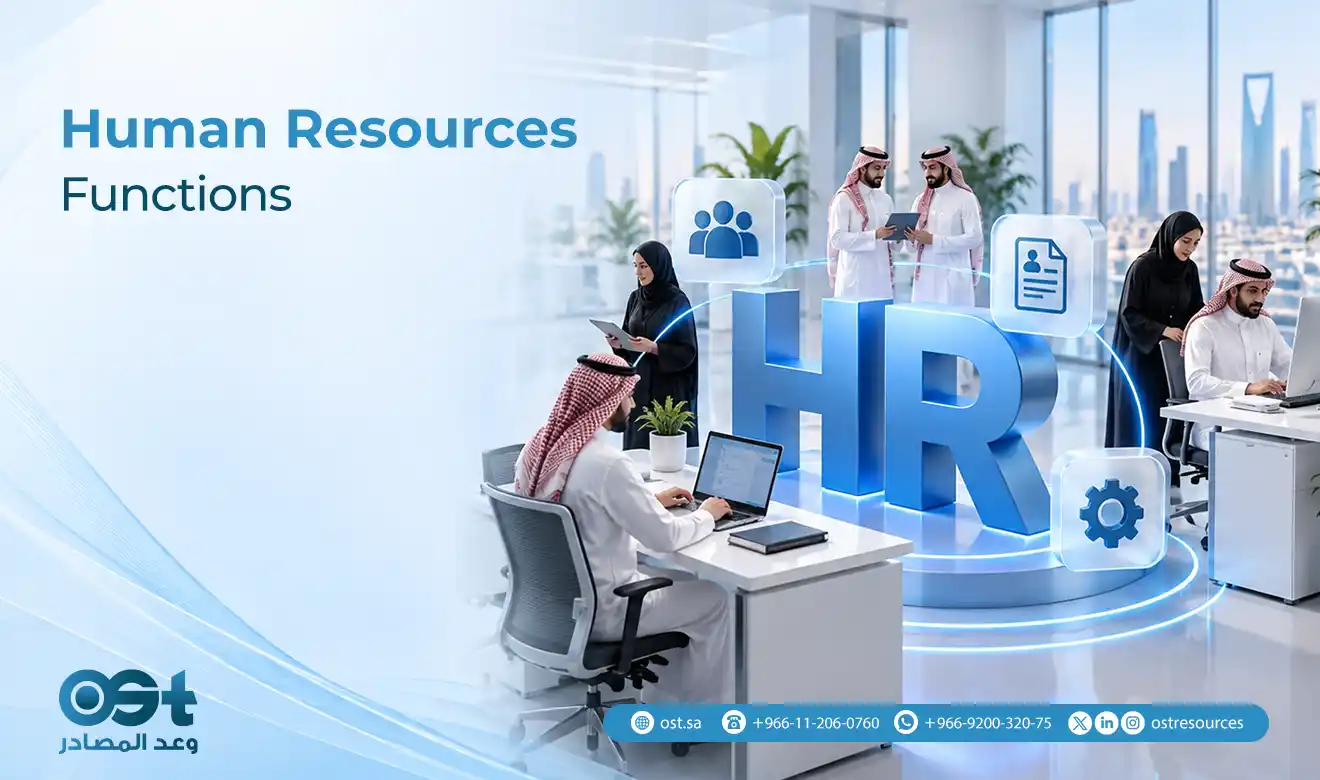
The organization’s human resources are managed and developed by the hr department structure and functions, as businesses always work to reduce expenses, manage risks, and improve performance. As a result, the human resources department now plays a crucial role in ensuring that the right people are employed by the company and that they possess the skills needed to carry out the business plan in a sustainable manner. This includes managing employee records and salaries.
Why Does Every Company Need a Strong HR Department?
A robust HR department draws in top personnel, boosts output, and accomplishes corporate objectives. Along with the above, it also fosters a positive work environment:
- Hr department structure and functions draw competent applicants who share the company’s goals.
- The department creates a successful hiring procedure that promotes the long-term prosperity of the business.
- For new hires, the HR division offers a systematic onboarding program that facilitates rapid adaptation and boosts output.
- By establishing objectives and conducting frequent reviews and feedback, the human resources division oversees worker performance.
- Hr department structure and functions determine the need for training and promote ongoing professional growth.
- To increase their motivation and output, the department honors and promotes exceptional workers.
- This division makes sure that company policies, workplace rules, and labor laws are followed.
- By encouraging professional advancement and work-life balance, the department raises employee engagement.
- It lowers hiring expenses and employee turnover while increasing employee retention.
- This division fosters a supportive and welcoming workplace culture that rewards dedication and allegiance.
- To achieve sustainable growth, innovation, increased productivity, and long-term organizational success, the workforce and talent management are coordinated with the company’s strategic goals through the human resources department.
Key Roles Within the HR Team Structure
Hr department structure and functions include several crucial positions that assist both workers and corporate goals:
- The personnel manager or head of HR oversees the team, directs the department, and establishes the HR strategy.
- HR Business Partners collaborate closely with managers to match business objectives with HR initiatives.
- Talent acquisition specialists, often known as recruitment officers, find, assess, and employ competent applicants.
- General HR specialists manage a variety of HR tasks, including onboarding and employee relations.
- HR specialists concentrate on particular topics, including payroll, benefits and compensation, and learning & development.
- Together, these positions guarantee organizational success, staff development, and operational effectiveness.
Training and Development Responsibilities
The main goal of training and development is to equip workers to carry out their jobs efficiently, particularly in times of emergency. The team creates specialized training programs and conducts workshops to improve knowledge and practical skills after the training and development officer evaluates training needs. Additionally, the group creates initiatives that promote continual learning and development.
Hr department structure and functions encourage cross-training so that workers can take on various positions as needed. Through performance assessments and feedback, the officer assesses the training’s efficacy, and the team modifies programs to fill skill gaps. Additionally, the team generates training materials, consults with specialists, and provides technical training on crisis management solutions.
Digital Transformation in HR Departments
Using technology to enhance HR tasks like decision-making and comprehending employee experiences is known as “digital transformation” in human resources. Redesigning procedures for hiring, onboarding, payroll, performance management, training, and workforce analytics is also included. Employee analytics platforms, learning management systems, and application tracking systems are examples of contemporary HR software.
Data-driven decisions are created through digital transformation. Systems integration and efficient change management are essential for a successful digital transformation. hr department structure and functions can become strategic business partners by utilizing digital technologies to attract top talent, increase productivity, raise employee satisfaction, support organizational growth, and adapt to quickly changing work environments.
Best Practices for Designing an HR
By putting in place defined strategies and employee-centric practices, such as the following, hr department structure and functions design assist firms in developing a productive, dedicated, and high-performing workforce:
- carrying out a comprehensive job analysis and precisely outlining the requirements for a post.
- employing organized hiring procedures.
- Creating thorough onboarding and work orientation programs for new hires.
- putting in place ongoing performance management and giving frequent feedback.
- offering chances for career development and training.
- encouraging genuine concern and communication to increase employee engagement.
- encouraging inclusion, equity, and diversity in the workplace.
- providing outstanding benefits and competitive pay.
- Utilizing HR technologies, analytics, employee wellbeing programs, dispute resolution, and workplace safety measures to improve efficiency, support employee health, and enhance the organization’s long-term success.
Department Structure and Functions Model
The departmental structure and functions model outlines how an organization might increase productivity, responsibility, and communication by grouping workers according to their areas of competence:
Section | Details |
The departmental structure and functions model outlines how an organization might increase productivity, responsibility, and communication by grouping workers according to their areas of competence. | Group employees by specialized functions and expertise. Defines clear reporting lines and management hierarchy. |
Roles and Responsibilities | Assigns specific roles and responsibilities. |
| Decision-Making and Teamwork | Supports centralized decision-making and accountability and enhances teamwork within departments. |
| Operational Performance and Knowledge Management | Improves operational efficiency and productivity, and encourages knowledge sharing and skill development. |
Common Challenges in Managing HR Operations
Managing human resources operations entails resolving organizational and workforce issues while preserving corporate performance and employee happiness. This comprises:
- Recruiting competent workers in a cutthroat employment market
- Keeping talented workers by increasing their involvement and offering chances for career advancement
- Increasing employee motivation and engagement while fostering diversity, equity, and inclusion in the workplace
- establishing equitable and efficient performance management processes, as well as continuing professional development and training.
- promoting the mental health and well-being of employees at work and using HR technology and analytics to make better decisions, expedite procedures, and increase overall organizational effectiveness.
Build an Efficient HR Framework with OST
By offering a specialist workforce, OST Company takes an inventive approach to serving its clients. The organization has a top-notch staff committed to comprehending and fulfilling the demands of the labor market. OST can meet the needs of its clients and help them find top talent. Our HR department’s structure and functions are designed to assist businesses in efficiently managing their operations.
Contact us to save money, time, and trouble. Give OST Company a call right now. By hiring competent workers, our company frees up enterprises to concentrate on their main business and its growth.