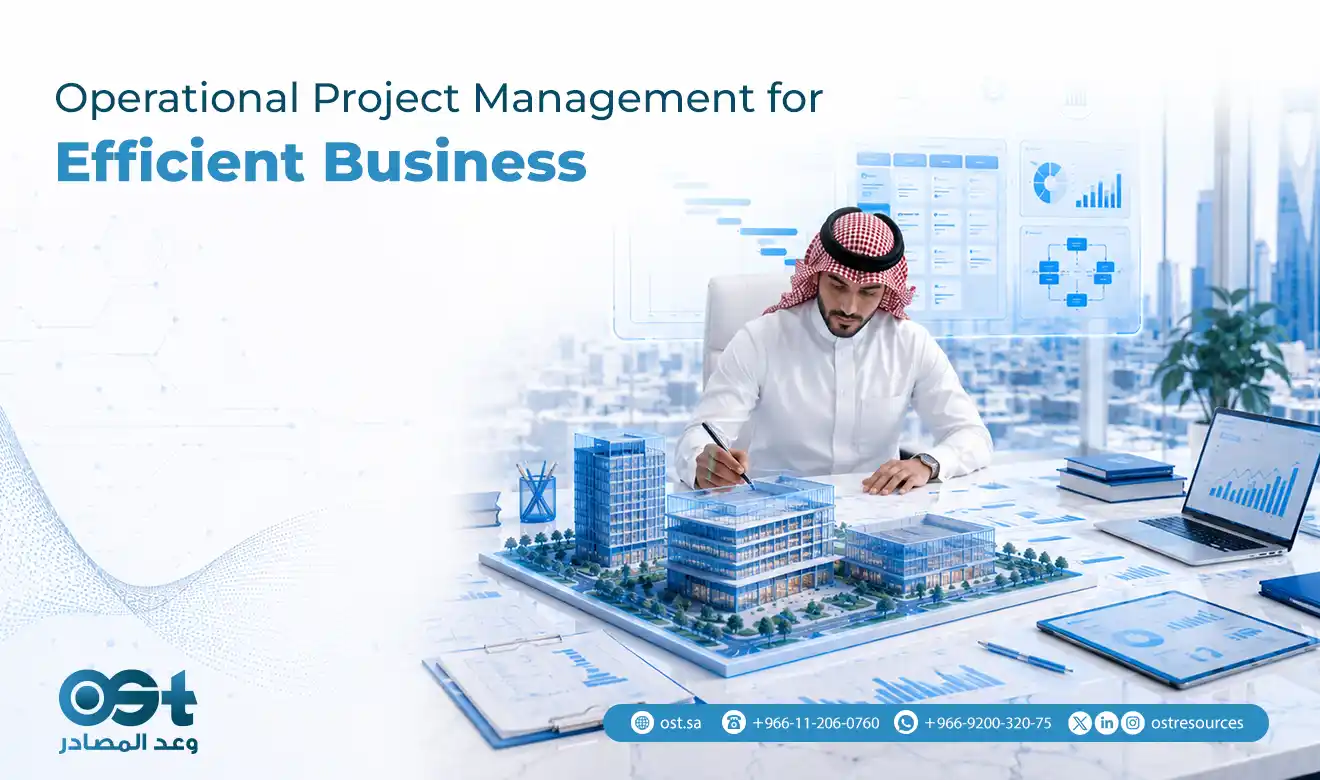
In a competitive business environment today, businesses have to complete projects in an efficient way with a marked difference in quality, compliance, and business operation standards. That’s where Operational Project Management is critically important to the success of the business. Unlike conventional project management, the focus of operational project management is to ensure that projects are performed efficiently, which at the same time supports the day-to-day business operations. It merges strategic planning, resource management, risk control, and ongoing monitoring of performance to give organizations sustainable results.
What Is Operational Project Management?
Operational project management is a project management process that is used for planning, coordinating, executing, and monitoring projects that directly relate to an organization’s operations. It is primarily used to meet project objectives in terms of time, budget, and scope. Unlike one-off projects, which are completed at the time of delivery, operational projects need constant management to ensure they remain efficient and provide the required service quality.
Important aspects of operational project management are:
- Special planning and scheduling.
- Resource allocation.
- Workforce coordination.
- Performance monitoring.
- Quality assurance.
- Regulatory compliance.
- Continuous process improvement.
Companies that master business operational project management may see more seamless operations, better communication, and enhanced operational stability.
Key Stages of Operational Project Execution
The process in operational project management for a successful project is structured, which helps organizations to have consistency and mitigate the operational risks.
1. Project Planning
Clarity of objectives, clear responsibilities, timelines, and resource planning are all key ingredients in every successful operational project.
2. Resource Allocation
Skilled staffing, equipment and resource allocation by the organization based on project needs.
3. Project Execution
Operational activities are carried out on teams as per approved plans, and communication is established with the stakeholder.
4. Performance Monitoring
Project managers measure performance to monitor progress toward operational goals.
5. Continuous Improvement
Following the marking of milestones, organizations analyze their outcomes and make recommendations for changes to improve their processes going forward.
Operational Project Lifecycle
Stage | Primary Objective | Expected Outcome |
Planning | Define project scope | Clear operational roadmap |
Resource Allocation | Organize available resources | Efficient workforce utilization |
| Execution | Deliver operational activities | Timely project completion |
| Monitoring | Measure progress | Improved project visibility |
| Improvement | Evaluate outcomes | Better future performance |
Risk Management in Operational Projects
Each project that is under way is fraught with risk that can have an impact on a project’s timeline, costs, or service quality. OPM is also proactive about risk management, ensuring that disruptions are kept at bay.
Typical hazards of operation are the following:
- Resource shortages.
- Schedule delays.
- Communication gaps.
- Regulatory compliance challenges.
- Unexpected operational changes.
There is a tendency for organizations to be better equipped to ensure project continuity and a guarantee of excellence when they incorporate risk management throughout the organization’s operations.
Performance Metrics for Operational Success
Measuring the performance of a project can help an organization to assess how efficient a project is and also see if there are any opportunities for improvement. Operational project management is based on facts and numbers, not on assumptions.
Typical measurements that are used are the following:
- Project completion rate.
- Schedule adherence.
- Resource utilization.
- Operational efficiency.
- Service quality.
- Customer satisfaction.
- Compliance performance.
The Project Management Institute (PMI) states that these factors, among others, make structured operational management valuable, given the productivity it affords by fostering consistent project success rates across organizations as demonstrated by research.
How Technology Supports Operational Project Management
Operational project management has become more than ever reliant on technology, which helps organizations to be more coordinated, visible, and better informed on operational activities and improve decision-making.
Digital tools can aid project management by enabling organizations to:
- Track progress of projects and tasks.
- Enhance coordination between teams.
- Manage documentation efficiently.
- Track operational performance.
- Generate performance reports.
- Support informed decision-making.
This means that project managers can spot problems early, act on them promptly and take a more active part in managing the project.
Best Practices for Improving Project Efficiency
By implementing proven operational management practices, organizations can benefit project results.
A variety of strategies can effectively include the following:
- Define project goals.
- Outline roles and responsibilities from a point of clarity.
- Ensure regular communications between stakeholders.
- Track performance with quantifiable knowledge productivity indicators.
- Practically Audit ongoing procedures.
- Foster intra departmental team working.
- Provide continued workforce development investments.
By employing these throughout your company, productivity is increased and operational inefficiencies are decreased.